
7 Early Signs Your Child May Benefit from Pediatric Occupational Therapy in Gurgaon
A practical clinical checklist for parents noticing subtle delays in motor skills, pencil grip, coordination, or sensory regulation.
📑 In This Clinical Guide:
1. What Exactly Does a Pediatric Occupational Therapist Do?
For an adult, an 'occupation' is their job. For a child, their primary occupations are play, self-care (dressing, feeding, grooming), school tasks (writing, cutting with scissors, sitting at a desk), and peer interaction.
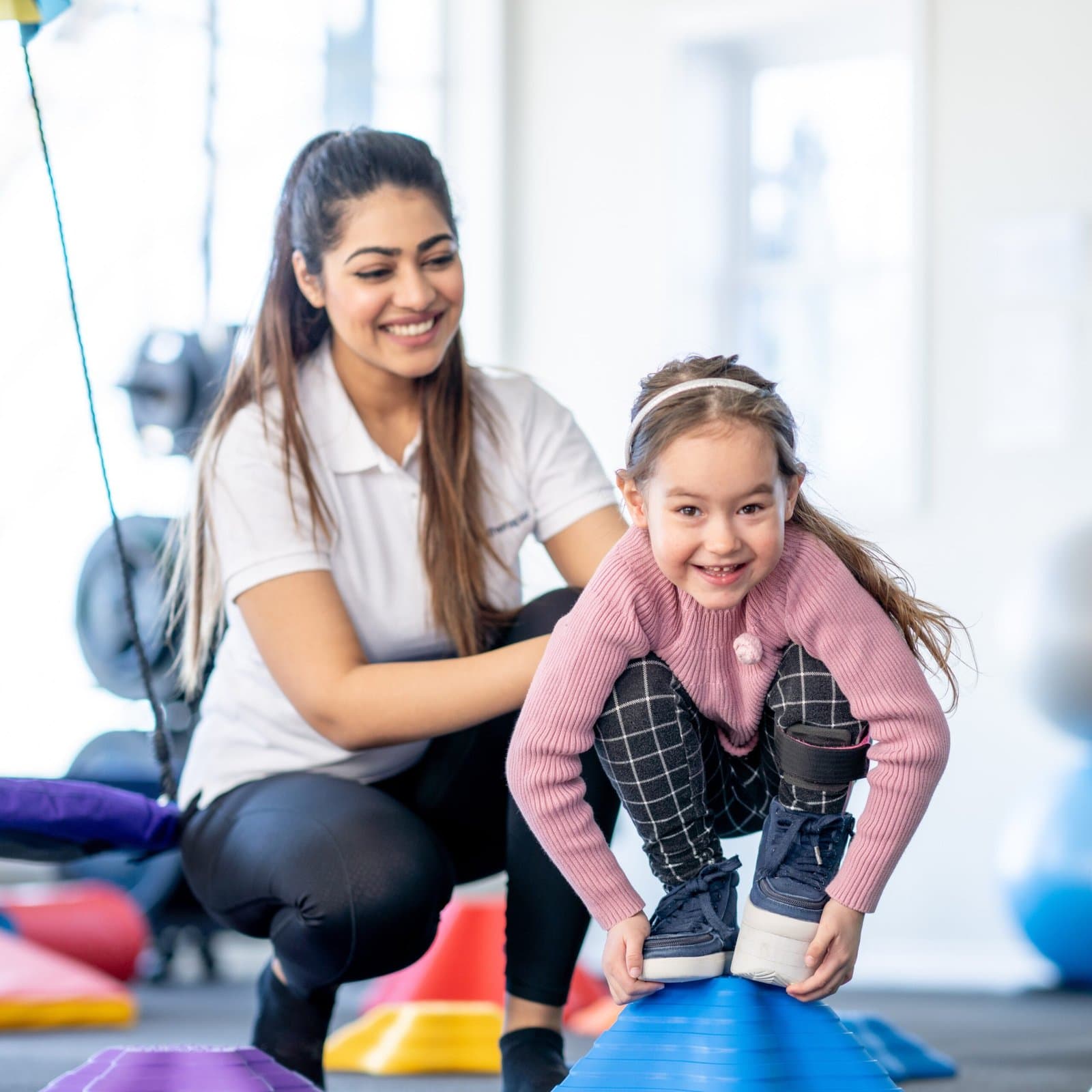
When a child struggles with these daily activities, a Pediatric Occupational Therapist evaluates the underlying sensory, neuromotor, and cognitive components that support these skills — including fine motor strength, vestibular balance, core postural stability, and visual-motor integration.
Key Clinical Insight
Occupational therapy empowers children to master everyday activities with confidence, joy, and independence.
2. The 7 Signs to Watch For
Parents know their children best. If you observe several of the following patterns persisting over months, a formal evaluation can provide clarity and support:
3. The Power of Early Intervention (Ages 0 to 5)
Between birth and age 5, a child's brain forms over 1 million new neural connections every second. This incredible neuroplasticity means that early sensory and motor intervention produces faster, deeper, and more lasting developmental gains than waiting until elementary school.
Waiting for a child to 'grow out of it' often leads to compensatory motor patterns, low self-esteem, and academic anxiety once structured primary school demands increase.
Key Clinical Insight
Early pediatric OT builds foundational motor pathways before compensatory habits or academic stress take root.
4. What Happens During an OT Evaluation at Capybara Care?
At our Sector 48 clinic on Sohna Road, an initial occupational therapy assessment is designed to feel like play for your child while yielding rigorous clinical insights for our team:
We observe sensory modulation in our 500+ sq ft suspended swing gym, evaluate fine motor precision using standardized developmental tasks, and conduct a detailed intake conversation with parents regarding daily routines, sleep, and feeding.
Following the session, parents receive a transparent, goal-oriented Individualized Therapy Plan with actionable home sensory diet recommendations.
Frequently Asked Questions
Does my child need a doctor's prescription to see an OT?
No. Parents can directly book an initial developmental evaluation at Capybara Care without a prior referral. However, we frequently coordinate with leading pediatricians across Gurgaon when clinical reports are needed.
How long does pediatric occupational therapy usually take?
Therapy duration varies based on the child's individual needs and consistency. Many children with mild sensory modulation or fine motor needs show noticeable progress within 3 to 6 months of weekly 1:1 sessions paired with home practice.
How is Capybara Care's clinic equipped for OT?
Our clinic features a dedicated 500+ sq ft Sensory Integration gym with dynamic bolster swings, lycra hammocks, rock-climbing balance walls, and fine-motor developmental tables, designed to optimize sensory regulation through play.
This article is provided for educational and developmental awareness purposes only. It does not constitute a clinical medical diagnosis or establish a formal patient-therapist relationship. For individualized evaluations, please consult a certified Pediatric Occupational Therapist or speech-language pathologist in person.

Dr. Smridhi Grover
MOT (Master of Occupational Therapy), 15+ Years Clinical Experience
Specialist in Pediatric Occupational Therapy and Sensory Integration. Dr. Smridhi has guided hundreds of families across Gurgaon in navigating developmental, sensory, and behavioral milestones with compassionate, play-based interventions.
Schedule a Developmental Evaluation for Your Child
Visit Capybara Care opposite Park View City 1. Connect with our clinical reception to schedule an in-person assessment in our specialized 500+ sq ft Big OT Gym.